When your cavity wall insulation starts to fail, it can feel like an unexpected curveball. The signs are often subtle at first, like a damp patch on an internal wall or a rising cost in your heating bills.
But that’s just not all, a musty smell that annoys you is also a sign of removing your cavity wall insulation.
Now, here’s a question that you may ask: “What is cavity wall insulation extraction cost?” or “Is it worth the investment?”
The cavity wall insulation extraction cost typically ranges from £20 to £30 per square metre, with the total cost for a full property extraction usually falling between £1,500 and £3,000.
But the final price can vary depending on factors such as the size of your home, the type of insulation, accessibility, and whether additional work, like scaffolding or repairs, is needed.
In this article, I will break down the cost, what influences it, and when it makes sense to remove the cavity wall insulation
Why You Might Need To Remove The Cavity Wall Insulation
First things first, let’s take a step back and understand why you’d even need to extract cavity wall insulation in the first place.
Insulation materials like polystyrene beads, foam, or mineral wool can be lifesavers when they are installed correctly. But over time, they might fail. This can happen for a couple of reasons:
- Moisture: Over time, moisture can penetrate the external walls, especially if the insulation wasn’t properly installed. This moisture can compromise the insulation, leading to damp and mould issues inside your home.
- Poor installation: Insulation is sometimes installed incorrectly, leaving gaps or failing to fill the cavity. This means it’s not doing its job of keeping your home energy efficient.
- Old or damaged insulation: If your insulation material is outdated, it can start to degrade. Materials like polystyrene beads might break down over time, reducing their ability to retain heat and causing inefficiency.
When this happens, the insulation no longer benefits your home. In fact, it could be making things worse by trapping moisture or allowing cold air to seep in.
What Does The Cavity Wall Insulation Extraction Process Look Like?
So, what exactly happens when you decide to extract cavity wall insulation? Well, here’s the rundown:
- Surveying the property: A professional installer will assess your home to determine what type of insulation you have and how badly it’s failing.
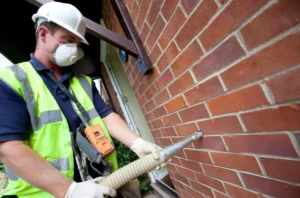
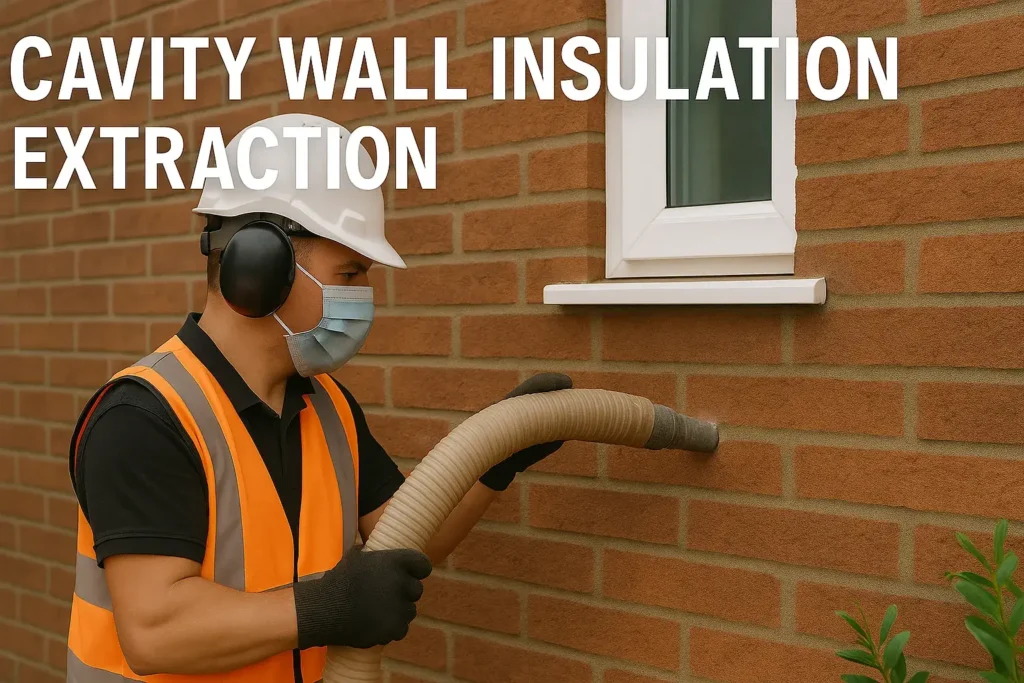
- Drilling holes: To access the insulation, small holes are drilled into the external walls. These holes are spaced out, typically in a pattern that ensures every cavity is reached.
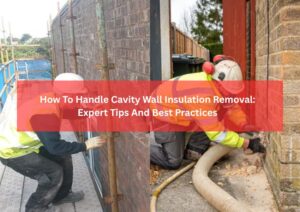
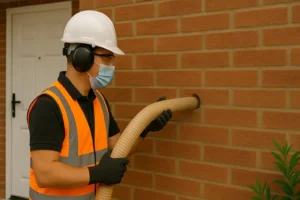
- Extracting the insulation: Once access is gained, the cavity wall insulation removal happens using specialized equipment like vacuums or high-pressure air systems. The insulation is sucked out through the holes, and if you’re dealing with foam or loose-fill, it’s usually a bit more intensive.
- Sealing and restoration: After the extraction, the holes are sealed, and depending on your situation, you might want to have the cavity re-insulated with a new material or repaired if the walls were damaged.
The process isn’t too invasive, but it can take a few days, depending on the size of your property and the complexity of the job. However, this is an essential step to make sure your home is comfortable and energy efficient again.
Cavity Wall Insulation Removal: What To Expect?
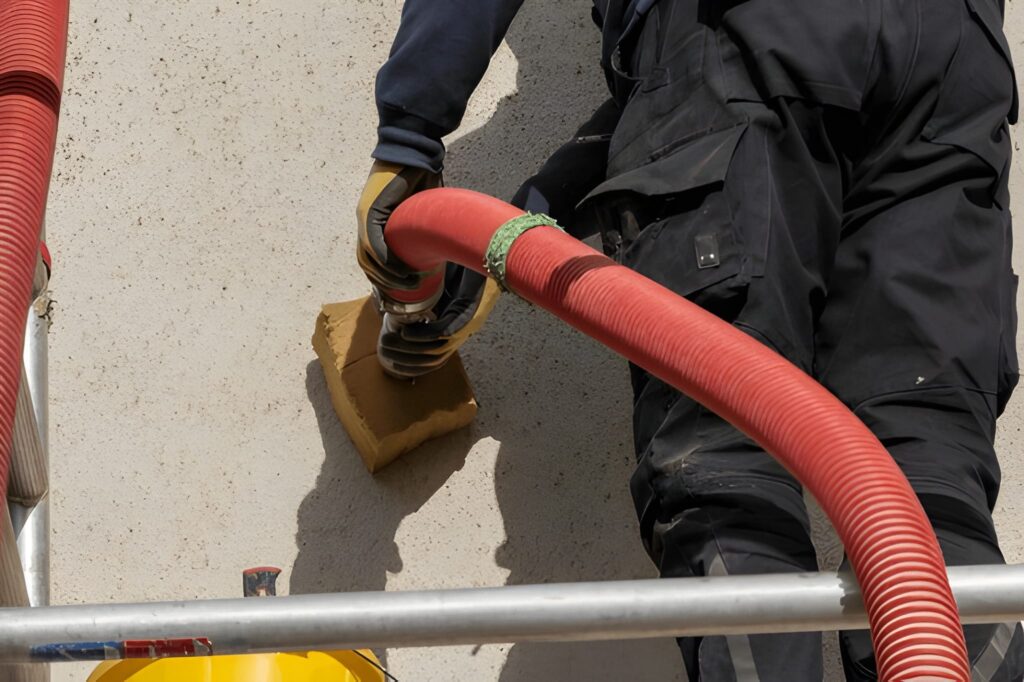
When it comes to cavity wall insulation removal, it’s important to know what to expect during the process, not just the cost, but also the disruption and potential challenges.
Here’s a real-world experience you may encounter during cavity wall insulation extraction:
| The Process As one Reddit user shared, the process of removing dodgy cavity wall insulation (CWI) involves several steps. In their case, the existing insulation (the dreaded yellow fluff) was causing significant issues, including damp, blocked vents, and soaked insulation. This required urgent attention to prevent further damage to the walls and property! |
Here’s what you can expect during the removal process:
- Preparation And Access: The insulation company will need to drill small holes in your external walls to access the cavity. If your home is multi-story or has hard-to-reach areas, scaffolding or special equipment may be used.
- Noise And Dust: It’s important to prepare for some noise and dust. The process of extracting insulation can involve vacuums or air pressure tools, which can be noisy. Dust might also spread throughout the area being worked on, so it’s a good idea to cover any furniture and protect sensitive areas.
- Extraction Process: The insulation removal will typically involve suction or air pressure to extract the wet or damaged material. In some cases, more extensive work might be needed, especially if moisture has seeped into the walls or other parts of the home.
Drying Out Period: What To Look Out For?
Once the insulation is removed, the focus shifts to drying out the walls and ensuring everything is properly sealed.
This period can vary in length depending on the severity of the damp. As one user mentioned, the walls can be soaking wet, so you should expect a significant drying period. Here are some things to keep an eye on:
- Moisture levels: You may want to use a moisture meter or hire a damp specialist to ensure the walls are drying evenly.
- Mould and Damp: If your walls were previously affected by damp or mould, you’ll want to check that the problem is properly addressed. Once the insulation is removed, there may still be some residual moisture that needs to dry out completely.
- Air Circulation: Make sure there’s good airflow around the walls to facilitate drying. Keep the heating on, and use dehumidifiers if necessary to speed up the process.
| Tip: While the extraction process is essential to remove damaged insulation, it’s just one part of the equation. While evaluating the cavity wall insulation extraction cost, make sure you understand the full scope of work involved, and be proactive about addressing any underlying issues that could contribute to dampness or mould in the future. |
How Much Does Cavity Wall Insulation Extraction Cost?
Let’s go into the nuts and bolts, the cost. Unfortunately, there’s no one-size-fits-all answer.
The cost to remove cavity wall insulation depends on several factors, including the size of your property, the type of insulation, and how accessible your internal walls are. But to give you a rough idea:
- Per square metre: The average insulation removal cost can range from £20 to £25 per square metre.
- Full house extraction: If you’re looking at a full property, extraction could set you back anywhere from £1,500 to £3,000. Larger, more complex homes with scaffolding needs or damaged walls will obviously cost more.
But here’s the thing: while it might seem like a significant upfront cost, it’s important to consider the long-term benefits. I have provided a detailed comparison for a better understanding of cavity wall insulation extraction cost:
| Aspect | Explanation | Average Cost Range |
|---|---|---|
| Property Size | Larger homes require more insulation to be removed, leading to higher costs. | £1,500 to £3,000 (full house) |
| Type Of Insulation | Different materials (e.g., polystyrene beads, foam, mineral wool) vary in difficulty to remove and cost. | £20 to £30 per m² |
Accessibility | Homes with hard-to-reach areas, narrow alleyways, or additional scaffolding requirements can increase the cost. | Additional £500 to £1,500 |
Insulation Material Condition | The quality and condition of the insulation (e.g., degraded foam or compacted beads) can affect the extraction process. | Varies based on material |
Location / Region | Costs vary by location due to differences in labor rates, travel costs, and regional pricing. | +10-20% in urban areas |
Wall Condition | If the internal walls are damaged during extraction or need repairs, it adds to the cost. | £200 to £1,000 (repairs) |
Scaffolding Requirements | If scaffolding is needed for access to higher walls or multi-story homes, it increases the cost. | £500 to £1,500 |
Damp And Mold Issues | If damp and mould are present and need remediation along with the extraction, this adds both time and cost. | £200 to £1,500 (mould treatment) |
Extraction Equipment | High-end vacuum systems or air pressure tools required for extraction will influence the price, especially if specialized equipment is needed. | £300 to £1,000 |
Post-Extraction Work | Additional costs for sealing up the holes made during extraction and possible re-insulation. | £500 to £1500 |
You May Also Like Reading: How Much Does A Cavity Wall Insulation Cost?
Factors That Affect Cavity Wall Insulation Extraction Cost
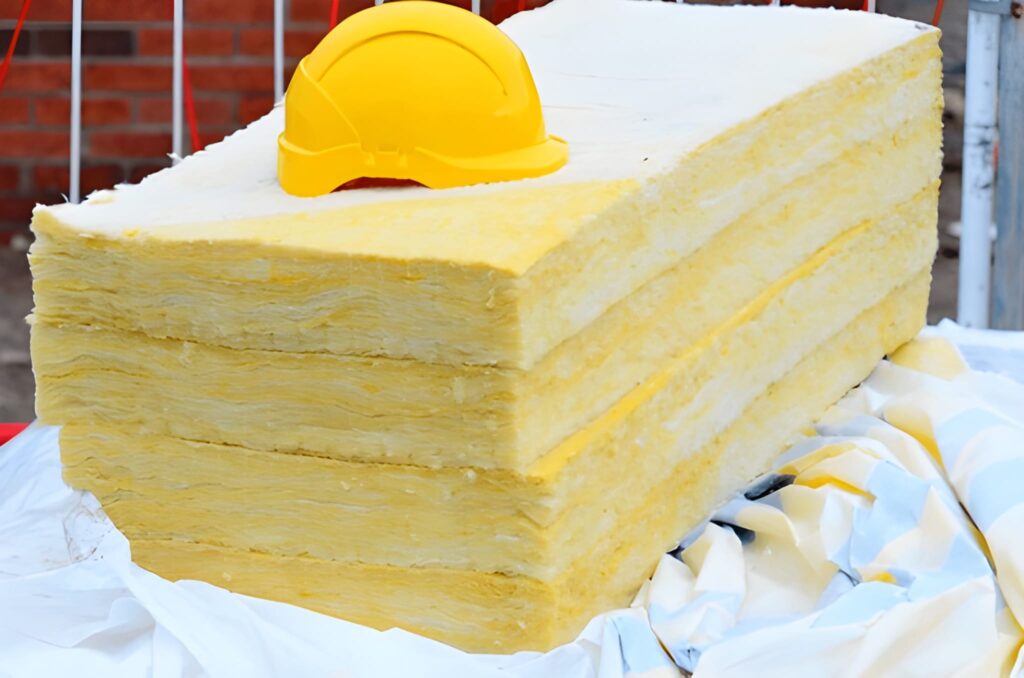
Why the wide range in prices? Several things influence how much you’ll pay for cavity wall insulation removal:
| Property Size | A bigger home needs more work, which means a higher cost |
| Type Of Insulation | Some insulation materials are easy to remove compared to others. But materials like polystyrene beads can be trickier to extract than foam, and are more expensive |
| Accessibility | If your home has difficult access points, like narrow alleyways or tricky scaffolding requirements, that can add to the cost. |
| Location | Costs can also vary by region. Homes in major cities tend to have slightly higher rates for installation and extraction compared to rural areas. |
Is Cavity Wall Insulation Extraction Worth It?
This is where things get interesting. Whether it’s worth paying to extract your cavity wall insulation depends largely on your specific situation.
When It’s Worth It
- Damp and mould: If you’ve noticed damp and mould growing in your home, and it’s linked to the insulation, removal might be your only option. Left untreated, moisture can cause significant damage to your walls and your health.
- Rising heating bills: If your home is losing heat because of faulty insulation, extraction is an investment in improving your energy efficiency. You might be surprised at how much you save on heating bills once the problem is solved.
- Property value: An energy-efficient home is always more attractive to potential buyers. If you’re planning to sell, addressing insulation issues beforehand could boost your property’s value.
When It Might Not Be Worth It?
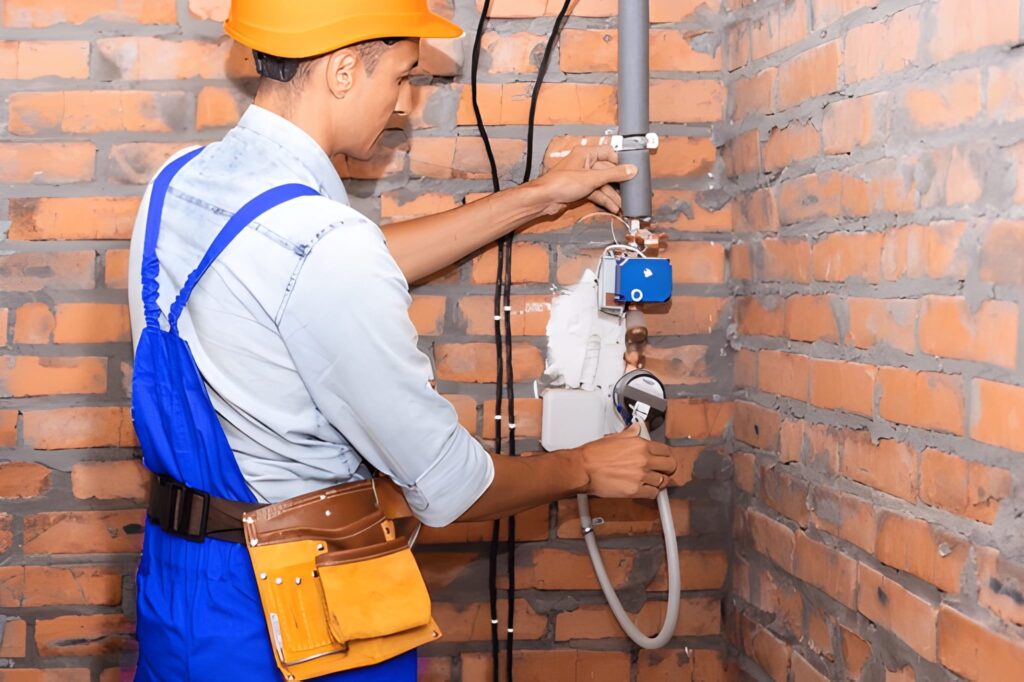
There are two case scenarios where removing the cavity wall insulation might not be a worthwhile investment.
First, if the insulation isn’t causing any major problems like slight inefficiencies or a minor damp patch, you should leave it alone.
Secondly, the cavity wall insulation removal cost is close to or more than the cost of insulating your entire home. It might not make sense to go ahead with it unless necessary
Ultimately, the question of whether cavity wall insulation extraction is worth the investment boils down to your home’s condition and how the failure is affecting your energy consumption and living space.
Frequently Asked Questions
Q: How to extract cavity wall insulation?
A: To extract cavity wall insulation, professionals drill access holes in the external walls and use suction equipment to remove the insulation material.
Q: Can I remove old insulation myself?
A: While you can technically remove old insulation yourself, it’s recommended to hire a professional for cavity wall insulation extraction to ensure safety and efficiency.
Q: How many years does cavity wall insulation last?
A: Cavity wall insulation typically lasts around 25-30 years, depending on material quality, installation, and environmental conditions, but may need removal sooner if damaged.
Q: Which houses are not suitable for cavity wall insulation?
A: Houses with solid walls, structural issues, or frequent moisture problems are generally not suitable for cavity wall insulation installation or retention.
Bottom Line
At the end of the day, deciding whether to remove the insulation is a personal choice. It’s important to weigh the wall insulation removal cost against the potential savings on heating bills and the benefits of a more comfortable, healthier home.
If you’re dealing with damp and mould or rising energy bills, getting your cavity wall insulation removed could be a smart move that saves you money in the long run.
But if it’s a minor issue or the cost seems prohibitive, you might want to look into other options before making that call.
Remember: always get a professional survey before making a decision, and make sure to choose a certified installer from CIGA or any other reliable platform to ensure the job is done right.