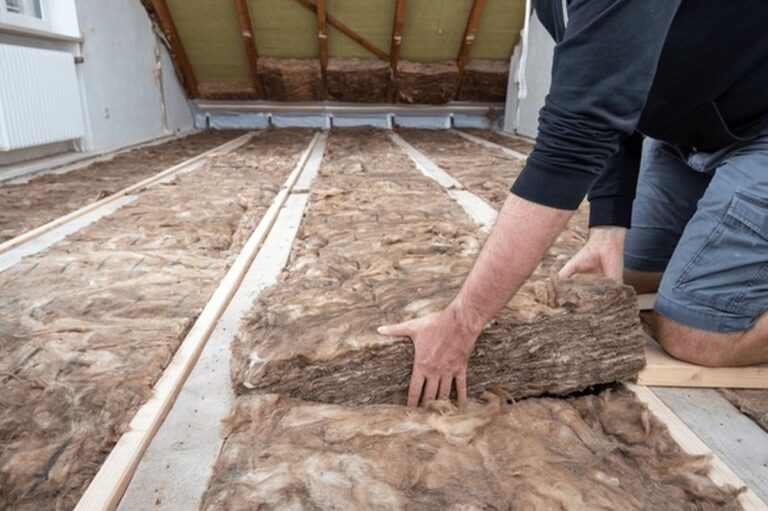
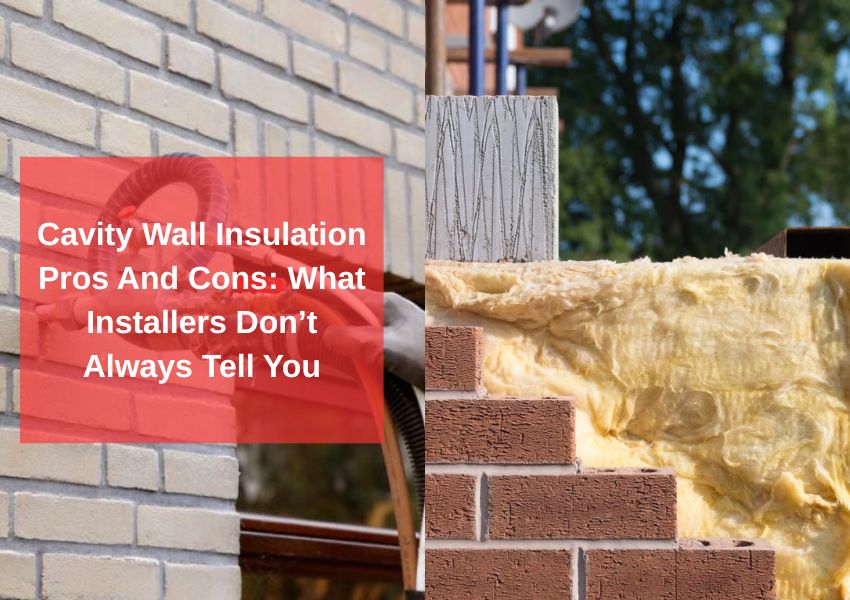
In this post, we are going to cover various cavity wall insulation pros and cons that can help you decide whether you should consider it as an insulation option or not
If you’ve been comparing ways to cut down your energy bills, you’ve probably heard about cavity wall insulation.
Every installer out there swears it’s the magic fix for cold homes and high heating costs. But when you start digging, you realise it’s not that simple.
There’s a long list of cavity wall insulation pros and cons that never quite make it into the glossy brochures.
At H&R Energy Solutions, we’ve spent years installing and inspecting insulation across UK homes. We’ve seen where cavity insulation shines and where it quietly fails.
So, let’s walk through what actually happens when insulation is installed, how it performs long-term, and what no one tells you until damp patches start creeping up your outer walls.
What Cavity Wall Insulation Really Does?
Most UK homes built after the 1920s have two layers of brickwork, inner and outer walls, with a small air gap in between.
That gap, the cavity, is meant to reduce heat loss. Over time, however, we learned that filling that space with the right insulation material can dramatically improve a property’s energy efficiency.
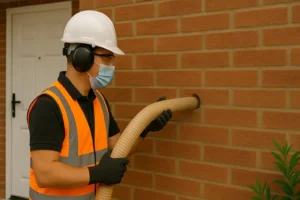
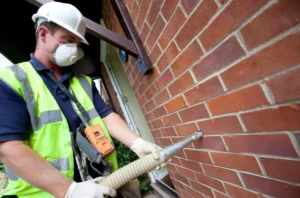
When you install cavity insulation, you’re essentially plugging the gap so less heat escapes through the walls.
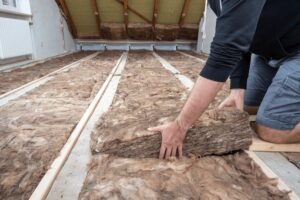
The most common types of cavity wall insulation include mineral wool, polystyrene beads, and foam insulation. Each has different insulative properties, price points, and installation techniques.
If installed properly, insulation can make a home feel warmer almost overnight. But as with most quick fixes in construction, the details matter more than the sales pitch.
Quora Insights:
According to some users on Quora, installing cavity wall insulation helps in preventing heat loss up to 20-25% which ultimately brings reductions to the energy bills.
The Promised Benefits (And Where They Hold Up)
1. Reduced Heat Loss
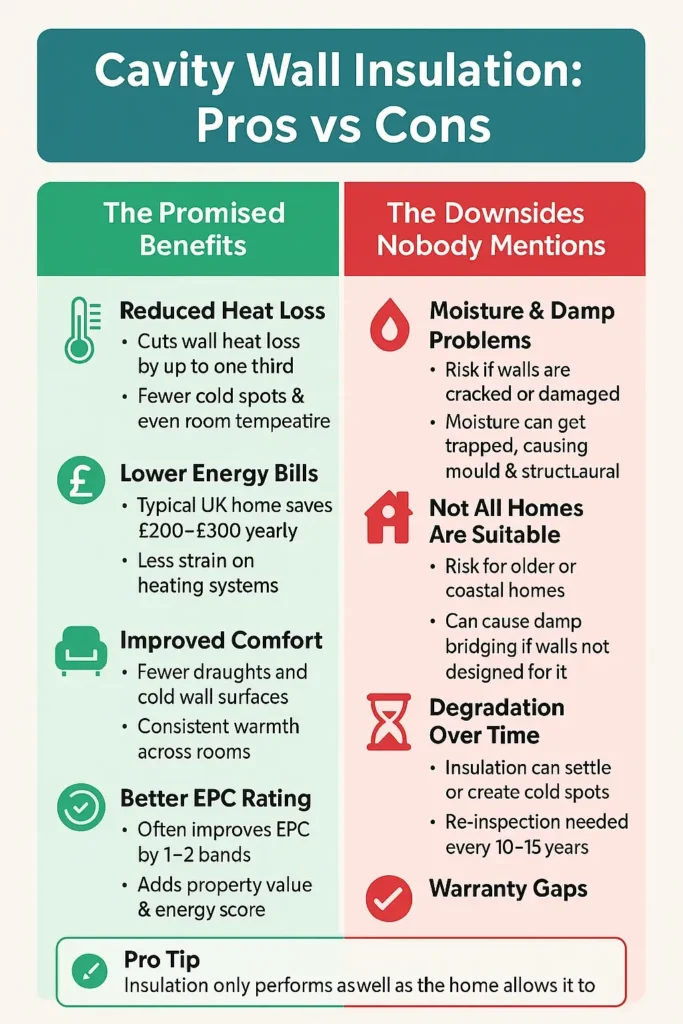
A well-installed cavity wall insulation system can reduce heat loss through walls by up to a third. You’ll notice fewer cold spots and less temperature swing between rooms.
For homes with older boilers or radiators, that extra efficiency takes the strain off your heating system.
2. Lower Energy Bills
Let’s talk numbers. A typical UK semi-detached house might save around £200–£300 a year when the insulation is installed correctly.
That’s assuming the insulation material maintains its insulative properties and no risk of dampness develops.
3. Improved Comfort
It’s not just about savings. When insulation is installed properly, you’ll feel fewer draughts and that chilly wall touch disappears. Many homeowners tell us it’s the first time their living room’s felt evenly warm since moving in.
4. Better EPC Rating
Energy assessors love to see insulated walls. The upgrade can bump your Energy Performance Certificate by one or two bands, not bad for something you never actually see.
Reduced Carbon Footprint
By cutting down on heating demand, cavity wall insulation helps lower your carbon footprint. Pair it with solar panels or an efficient heating system, and you’re well on your way to a more sustainable home.
Still, we always tell clients: insulation only performs as well as the home allows it to. A damp wall or poor ventilation can quickly undo all those benefits.
The Downsides Nobody Mentions
Here’s the part that rarely makes it into installer leaflets.
1. Moisture And Damp Problems
When cavity wall insulation is installed in properties with damaged outer walls, cracked pointing, or poor drainage, water can seep into the cavity and get trapped.
Over time, that trapped moisture leads to structural damage, dark patches, and mould growth inside.
Some insulation types, particularly foam insulation and loose-fill materials, can absorb and hold moisture, worsening the risk of dampness.
Once that happens, the insulation loses its insulative properties, and the wall’s integrity starts to suffer.
2. Not All Homes Are Suitable
Not every home is suitable for cavity wall insulation. We often advise against it for older properties with solid walls, houses in coastal areas, or those exposed to persistent driving rain.
These walls weren’t designed for a filled cavity. Installing anyway can cause damp bridging, when moisture travels from the external wall right through to the inner one.
3. Degradation Over Time
Even the best insulation material doesn’t last forever. As air moves within the wall cavity and materials settle, small voids can form.
That reduces performance and sometimes creates cold spots. Re-inspection every 10–15 years helps, but it’s rarely mentioned during the sale.
4. Warranty Gaps
Many homeowners assume warranties cover everything. They don’t. Most guarantees cover workmanship, not water ingress or wall damage.
And when things go wrong, the cost to remove old insulation and reinstate the wall can easily climb past £2,000.
When we survey homes for remedial work, the pattern’s clear: insulation is installed without proper pre-checks far too often. The damp and repair costs that follow usually erase any savings.
5. Red Flags To Watch For When Hiring Installers
Some installers oversell by focusing only on the short-term gain. Phrases like “guaranteed savings” or “government approved” sound reassuring, but don’t replace proper assessment.
Here’s what to look for instead:
- A company certified under CIGA, TrustMark, or PAS 2030.
- A pre-installation survey that checks exposure zones, wall type, and existing ventilation.
- Clear discussion about which type of insulation is being used and why it suits your home’s build.
If an installer skips those steps, walk away. The best professionals spend more time checking your home’s suitability than closing the sale.
How To Decide If It’s Worth It
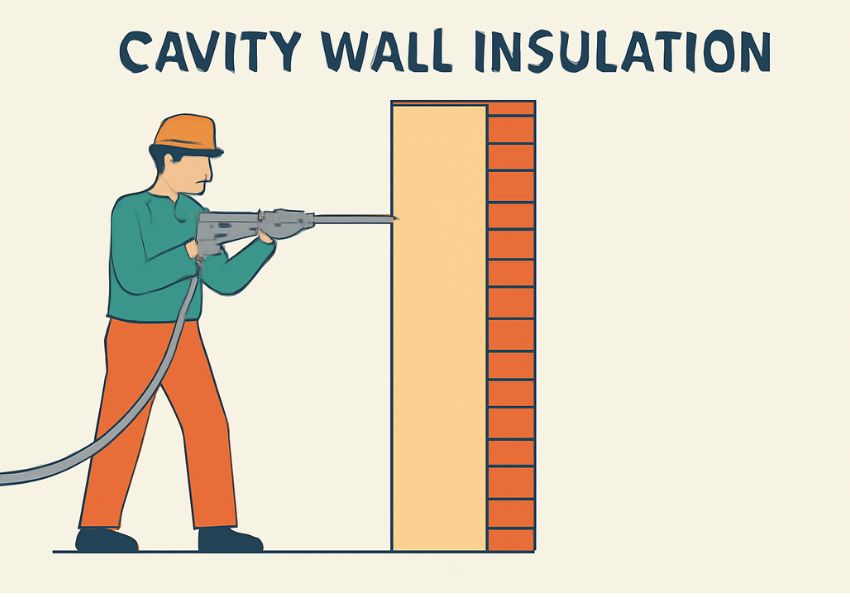
Not sure whether to install cavity insulation? Start with a cost-benefit check.
- Look at your property’s age and build. Homes built before 1920 usually have solid walls, so you’re better off with external wall or internal insulation instead.
- Inspect for damp or cracks. Any weakness in pointing or rendering can pull moisture into the cavity once filled.
- Review current energy performance. If your loft, floors, and windows are uninsulated, start there first, they often deliver faster savings.
- Ask for a whole-home plan. Cavity insulation works best as part of a broader energy-efficiency upgrade, especially when paired with solar or a modern heating system.
At H&R Energy Solutions, we sometimes advise clients not to install cavity insulation at all. It’s about balance. Our team of experts evaluates the cavity wall insulation pros and cons while keeping you in mind. If the home’s structure or location makes damp likely, the long-term risk outweighs the short-term benefit.
Alternatives And Complementary Options
If you’re turned off by the surprising cavity wall insulation pros and cons, there are other routes to improve insulation.
| Type of Insulation | Where It’s Applied | Best For | Key Advantages | When It’s Better Than Cavity Insulation |
|---|---|---|---|---|
| External Wall Insulation | On the outer walls, forming a new external layer | Older or solid wall homes, or those in damp areas | Excellent weatherproofing, penetrating damp Boost thermal performance Improves exterior appearance | When external exposure or wall conditions make the cavity wall risky |
| Internal Wall Insulation | On the inside surface of the external wall | Solid walls or listed properties, where external change is not possible | Preserve external appearance Can be phased room by room Improved thermal gains where EWI isn’t possible | When external changes are not permitted or desirable |
| Hybrid Approach | Combination of Methods, e.g, partial cavity fills + targeted EWI, IWI | Complex or mixed construction homes | Custom solution for tricky builds Balanced cost and performance | When neither single approach is ideal |
And if you’re already investing in efficiency, consider pairing insulation with solar panels, smart thermostats, or efficient heat pumps. The combined effect can slash your energy bills far more than a single measure alone.
Frequently Asked Questions
Can I fill a cavity wall with expanding foam?
No, expanding foam is not suitable for cavity walls as it can cause moisture buildup and damage the structure.
When Shouldn’t You Install Cavity Wall Insulation?
Do not install if the wall is damp, has structural issues, or if there’s a risk of moisture problems.
How long does foam cavity wall insulation last?
Foam cavity wall insulation typically lasts around 25-30 years.
Can you add insulation without removing drywall?
Yes, some insulation types can be added without removing drywall, such as spray foam or blown-in insulation.
Bottom Line
Cavity wall insulation can be brilliant, but only when it’s done right, on the right property, with the right material. Too often, it’s treated like a universal fix. In reality, it’s a surgical job that needs expert assessment.
If your walls are sound, your property isn’t in an exposed location, and the insulation is installed properly by certified experts, the payoff is huge: warmer rooms, lower energy bills, and a lighter carbon footprint.
But if you skip the prep work or chase the cheapest quote, you’re gambling with potential structural damage and costly damp repairs later.
Get an independent survey, ask about material types, and don’t let anyone rush you into a quick install. Understanding the real cavity wall insulation pros and cons is what turns an energy upgrade into a genuine long-term investment.
Get Free Energy Upgrades With H&R Energy Solutions
If you’re planning to improve your home’s energy efficiency, H&R Energy Solutions can help you access free energy upgrades worth up to £40,000 through the government-backed ECO4 and GBIS schemes.
From insulation to solar panels and boiler upgrades, we handle it all, nationwide. Learn more or check your eligibility at H&R Energy Solutions.