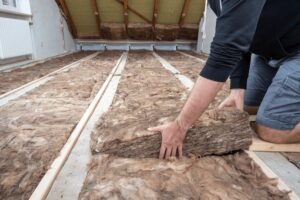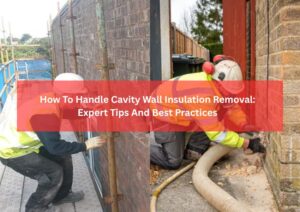
If you’ve noticed damp issues in your home, cold spots, or a rise in your energy bills, there’s a chance that your cavity wall insulation may be causing more harm than good. Many homeowners don’t realise that cavity wall insulation removal could be the key to solving these issues.
But here’s the thing: insulation isn’t always a “set it and forget it” solution. Over time, the insulation material from the cavity can degrade, become waterlogged, or cause issues like damp and mould, all of which can make the cavity wall insulation removal even more necessary.
But when it comes to the process of removing the cavity wall insulation, things aren’t as easy as they look. You need the right tools, techniques, knowledge, or even a team of experts to do it.
In this article, we have organised a detailed guide on how to do it properly, without causing costly mistakes.
When Is Cavity Wall Insulation Removal Necessary?
A cavity wall insulation removal becomes a top-priority list to do when it shows the following signs:
| Damp Problems | If your internal walls are constantly damp or you’re seeing damp and mould spots, it could be due to trapped moisture in the insulation. |
| Cold Spots | Cold areas in your home, particularly near walls, might indicate heat loss caused by improperly installed or deteriorating insulation. |
| Energy Bill Skyrocketing | Poor thermal performance of insulation can lead to higher heating costs, making your home feel colder than it should. |
| Unwanted Materials | The poor installation of wall insulation that includes polystyrene beads or mineral wool has degraded to the point where they no longer serve their purpose. |
Reddit Insight:
Some users on Reddit say that they felt the need for the removal of cavity wall insulation when the damp patches started appearing halfway up the stairs.
Understanding The Wall Cavity Insulation Removal Process
So, if you are wondering about the process of cavity wall insulation removal, here’s something that you should know: the process is not as easy as pulling it out from the wall. Here’s a step-by-step breakdown of how it’s done:
1 – Property Assessment
Before starting the removal process, it is important to consider the condition of the insulation. An expert team will inspect for the signs that we mentioned above to point out the insulation failure.
This step becomes even more crucial if your insulation was placed a couple of years ago or if it wasn’t done by an expert.
2 – Removal Of The Insulation
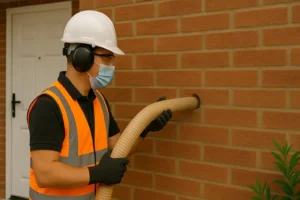
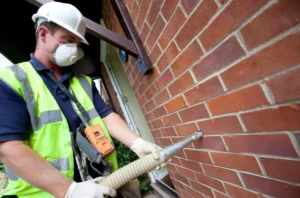
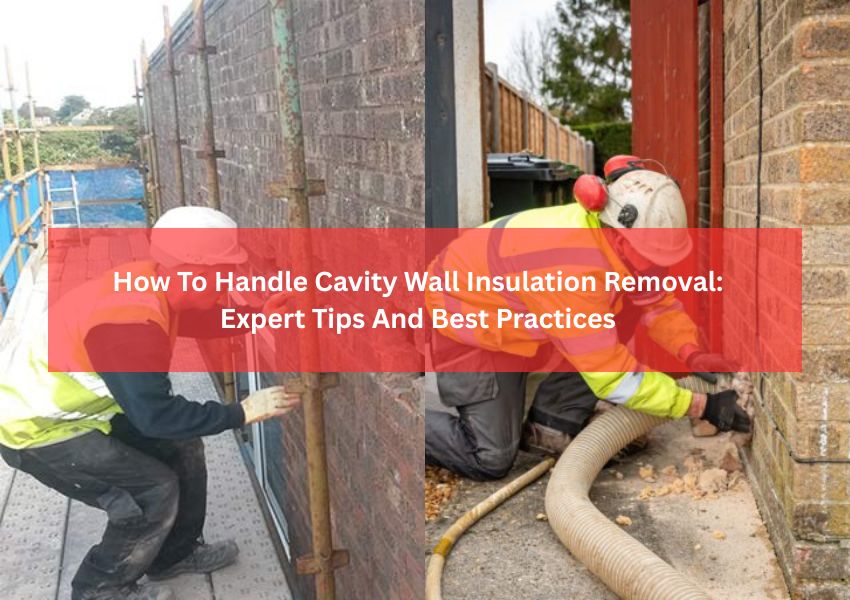
Once you have made the decision to remove the insulation, the next step is the extraction. The cavity wall extraction process involves using specialised equipment to safely remove the insulation material without causing damage to the internal and external walls.
If you’re dealing with the polyestyrene beads, mineral wool, or foam, each requires a different extraction technique to avoid unnecessary damage to the cavity.
3 – Wall Repair And Preparation
Once the experts had removed the installation, it was time to inspect the walls for any structural damage. Often, wall insulation is removed because there’s been a failure that could lead to damp issues.
Cracks and holes in the walls also need to be patched up, and if there’s any water damage, it should be addressed immediately to prevent further issues.
Expert Tips For Safe And Efficient Cavity Wall Insulation Removal
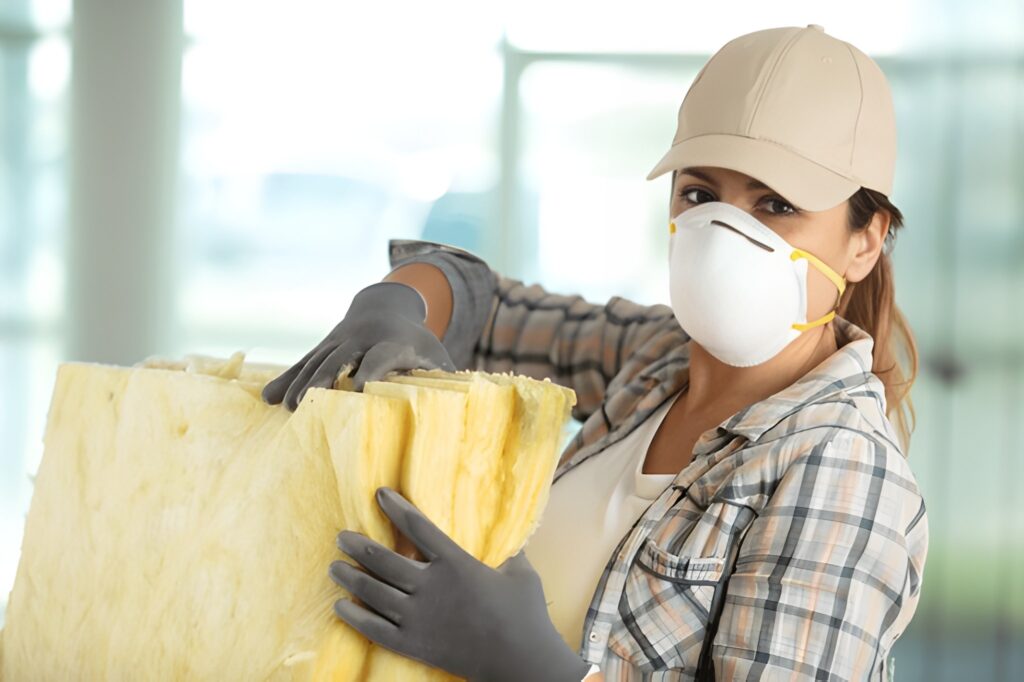
Removing the cavity wall insulation isn’t a DIY job. It requires experience, professional techniques, and the right knowledge to get the job done.
While hiring a team of experts, these are some important considerations that you should keep in mind for a smooth process:
1 – Work With Certified Professionals
Don’t be tempted to cut corners with cheap contractors. The process of removing cavity wall insulation requires precision, which you should leave to professionals only who know the ins and outs of the job.
The good thing about working with a qualified professional is that they also know how to dispose of the old insulation.
They follow all the rules and regulations to make sure no harm is done to your property or to the environment.
So make sure that you work with professionals who are certified by credible organisations like IAA or PCA.
2 – Understand The Environmental Impact
A certified professional is well aware of the insulation material, how to dispose of it, and how it can be recycled.
This helps t keep the environment clean without contaminating your property, but the scenario goes sideways if you hire a cheap contractor who can bring a letter of fine by the government at your door.
3 – Address Moisture Control Post-Removal
The cavity wall insulation works well if provided with proper ventilation. After removal, one common mistake that homeowners make is not considering the damp problems.
If your contractor fails to make a proper space for the ventilation, your home could end up with moisture problems, leading to even more expensive repairs, adding to your maintenance budget.
How Much Does Cavity Wall Insulation Removal Cost?
If you are thinking about “How much is this going to set me back?” Well, the cost of cavity wall insulation removal varies depending on several factors:
Your Home Size: The larger your home, the more insulation you will likely have, and the higher the cost will be.
Type of Insulation: Different types of insulation material from the cavity require different removal methods. Some of these methods are simple, while others can give a hard time to the professionals.
Is It Worth The Investment?
While cavity wall insulation removal may seem like a costly thing, it helps you to save in the long term.
If your current insulation is causing heat loss or leading to damp issues, the removal process can save you money on energy bills.
Not only that, it can help you prevent severe damage to your home down the road. The cost doesn’t seem much if you think of it as an investment for your family’s comfort and health.
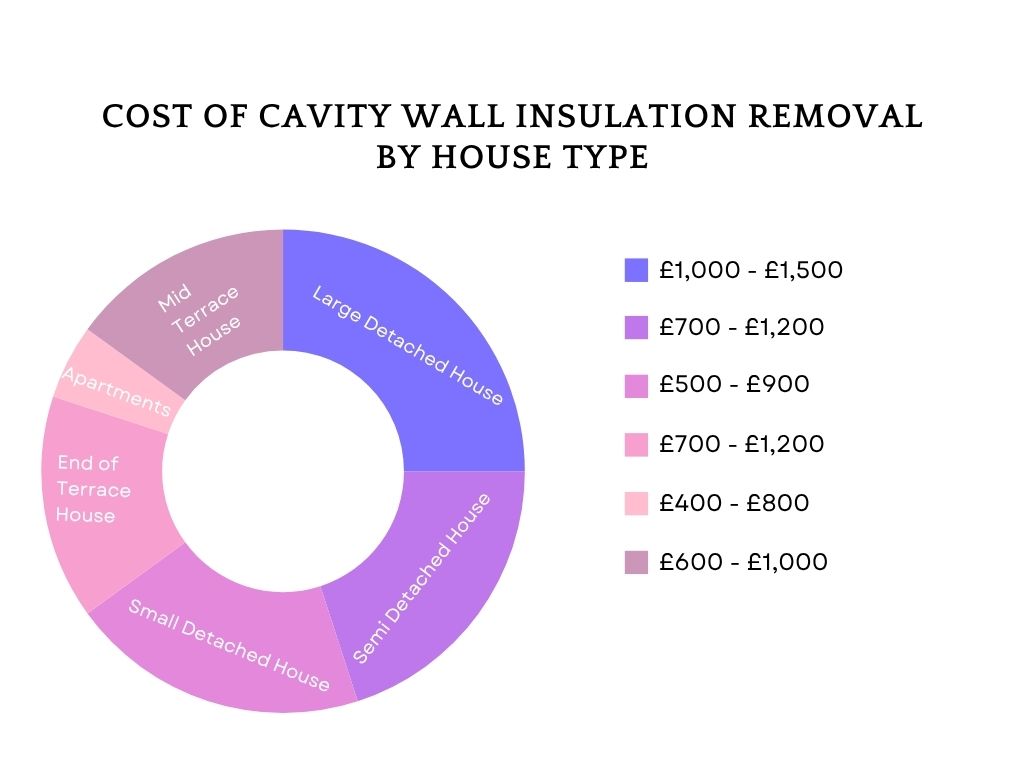
Cost Of Cavity Wall Insulation Removal By House Type
What Happens After Cavity Wall Insulation Removal?
Once the insulation is gone, what do you do next? It’s crucial to fill the newly emptied cavity with a better solution that enhances your home’s energy efficiency and prevents cold spots. Here’s what you should consider:
Reinsulating Your Home
If your home is suffering from thermal performance issues due to poor or faulty insulation, now is the time to replace it with something better.
Options like blown-in cellulose, foam board, or spray foam can offer much better thermal performance, reducing heat loss and keeping your home warmer in winter and cooler in summer.
Improved Energy Efficiency
Reinsulating your home correctly will ensure that you save on energy bills. The right insulation can reduce the amount of heat that escapes through your walls, making your home energy efficient and comfortable all year round.
Common Mistakes To Avoid During Cavity Wall Insulation Removal
| Mistake | Description | Potential Consequences | How To Avoid It |
|---|---|---|---|
| Not Assessing The Source Of Damp Issues | Damp problems are sometimes mistaken for issues caused by insulation material. It’s critical to identify the root cause, whether it’s from leaks, rising damp, or condensation, before proceeding with removal. | Improper diagnosis can lead to ineffective removal, causing damp to persist and potentially worsen. | Always conduct a full inspection of the property, including plumbing and roofing, to identify the true cause of the damp. Consult professionals who understand the full scope of moisture issues. |
| Skipping Moisture Control Post-Removal | After cavity wall insulation removal, moisture can become trapped inside the walls if not properly ventilated. Without the right moisture control, this can lead to further damp problems or even mould growth. | Damp and mould issues may resurface, or even worse, cause structural damage to your home, resulting in costly repairs. | Make sure to implement proper ventilation after insulation removal. Consider installing a dehumidifier or ensuring the wall cavity can breathe. It’s also wise to treat any damp spots before resealing the cavity |
| Ignoring Wall Damage | Removing insulation sometimes reveals wall cracks or damage that needs repair. Ignoring this can compromise your home’s structure and allow air and moisture to enter, defeating the purpose of the insulation removal. | Failure to repair wall damage can lead to further cold spots and energy loss, as well as worsening heat loss. | Ensure the wall is inspected for cracks, holes, or water damage and properly sealed before re-insulating. This step is vital for both the removal process and for maintaining your home’s energy efficiency after removal. |
| Choosing Unqualified Contractors | Opting for inexperienced or underqualified contractors may result in improper removal techniques that can damage your home or lead to substandard cavity wall insulation removal. | The removal might not be done correctly, which could result in poor thermal performance or even structural damage to the walls. | Always hire contractors with proper certification and experience in cavity wall insulation removal. Check references, ask for proof of expertise, and look for online reviews or accreditations. |
| Failing To Properly Dispose Of Insulation | Improper disposal of the removed insulation can lead to environmental hazards, particularly if materials like polystyrene beads or mineral wool are involved. | It could harm the environment and may violate local waste disposal regulations, potentially incurring fines. | Ensure that the insulation is disposed of properly. Many professional services have systems for recycling or safely handling the materials. This also prevents unwanted waste in landfills. |
| Not Reassessing The Need For New Insulation | Sometimes, homeowners fail to reassess their insulation needs post-removal. Just because your old insulation is gone doesn’t mean you shouldn’t consider new, more energy-efficient solutions for replacing it. | Without proper replacement insulation, you could face rising energy bills and cold spots, especially if the external walls are left uninsulated. | After removal, consult experts on which insulation options best suit your home’s needs. You might want to upgrade to more modern solutions like spray foam or cellulose insulation for better energy savings and long-term benefits. |
Frequently Asked Questions
What is the best cavity wall insulation method?
The best method depends on your home; blown-in foam or mineral wool offers excellent thermal performance and moisture resistance.
Which houses are not suitable for cavity wall insulation?
Older homes with structural issues, damp problems, or unventilated cavities are not suitable for insulation.
Can you remove insulation by hand?
It’s possible but difficult; professional tools and expertise are recommended for effective and safe insulation removal.
What are the regulations for cavity wall insulation?
Regulations require proper installation by certified professionals, with attention to ventilation, moisture control, and safety standards.
Final Words
Cavity wall insulation removal might not be something on the top list of homeowners in the UK. But it’s an important step in maintaining a healthy and energy-efficient home.
Whether it’s due to damp issues, cold spots, or just outdated materials, removing the old insulation can be a game-changer.
And if done properly, it can help you to preserve the heat and set the stage for more energy-efficient insulation.
So, if you are dealing with the high-cost energy bills or any of the signs mentioned above, you should consider help from an expert.