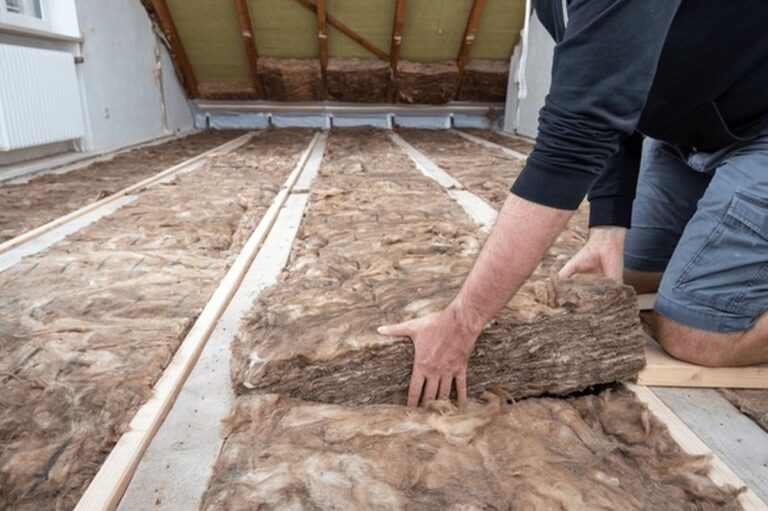
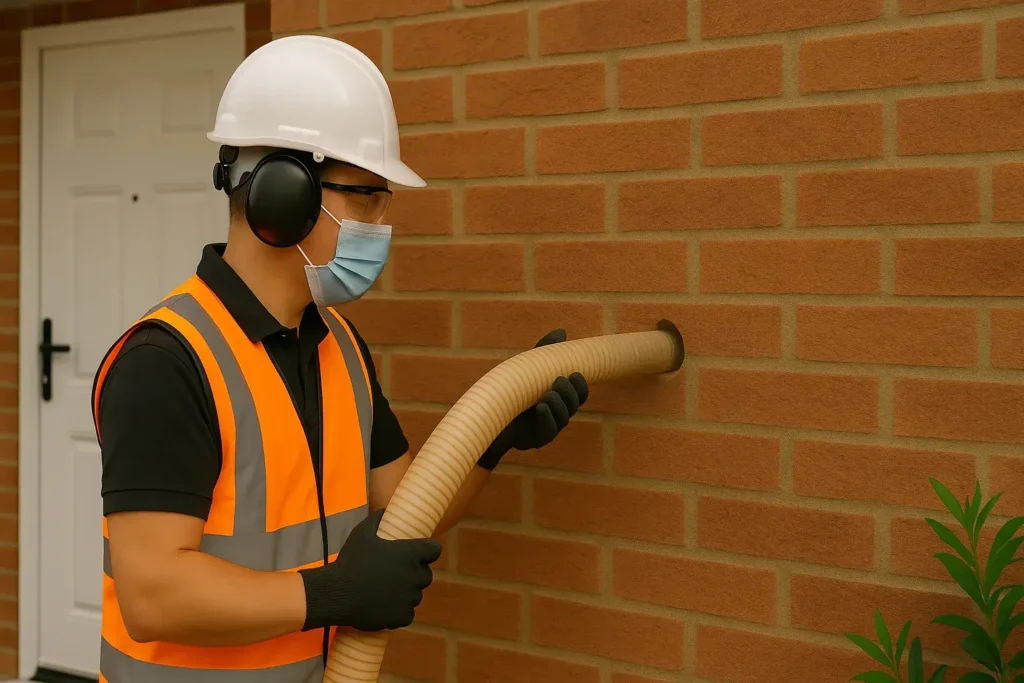
When you hear the question, “Is cavity wall insulation bad for your home?” It’s easy to think of the potential drawbacks, like damp, mold, or increased energy bills.
The idea that cavity wall insulation may cause more harm than good is a common concern. But the truth is, cavity wall insulation itself is not inherently bad.
When installed properly, it can offer you energy-efficient benefits by reducing heat loss, keeping cold out of your home, and reducing your energy bill.
But when you hire an unprofessional installer who messes up the installation process or chooses the wrong insulation material, it can cause you serious issues that lead to structural damage.
This article will help you learn the ins and outs of cavity wall insulation and its related problems so you can make an informed decision.
Why Do People Ask If Cavity Wall Insulation Is Bad?
Homeowners are right to be cautious, and the concern about cavity wall insulation causing damp stems from real problems that can occur when insulation isn’t installed properly.
If insulation materials such as polystyrene beads or polyurethane foam are used in homes where the walls are damaged, there’s moisture ingress, or poor ventilation, it can lead to moisture becoming trapped inside the walls.
As someone who has done more than 50+ inspections of homes in the last 2 months in the UK, the results could be really disappointing. You may see damp patches, mould growth, and sometimes, even structural damage.
5 Problems That Lead To Your Concern: Is Cavity Wall Insulation Bad?
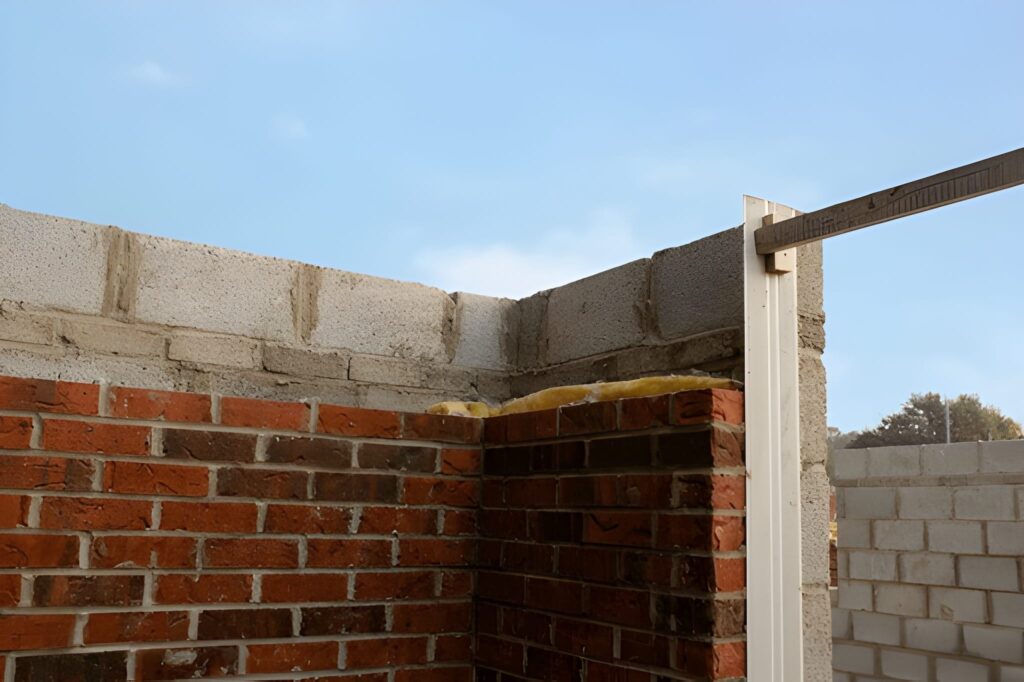
While cavity wall insulation could be a wise decision if installed properly, there are several potential problems that you might encounter:
1 – It’s Not Suitable For All Homes
The most common reason cavity wall insulation might not work best in your favor is that it is not suitable for every home in the UK.
Older buildings, homes with narrow cavities, and properties with existing moisture issues aren’t considered ideal properties for the insulation.
For example, if you install the insulation in a property that has cracked spots in the external walls or is exposed to wind-driven rain may encounter damp problems.
And guess what? Even if you manage to install the cavity wall insulation, it will not work as efficiently as it should due to pre-existing issues.
So, it’s always best to spot the issues and fix them immediately before the insulation installation.
Reddit Insights:
Some verified users on Reddit said that unless you have made proper ventilation, and your pointing is not bad, there’s no issue in installing cavity wall insulation in an older property. So it’s always best to call an expert!
2 – It Won’t Work If The Property Has Cracks
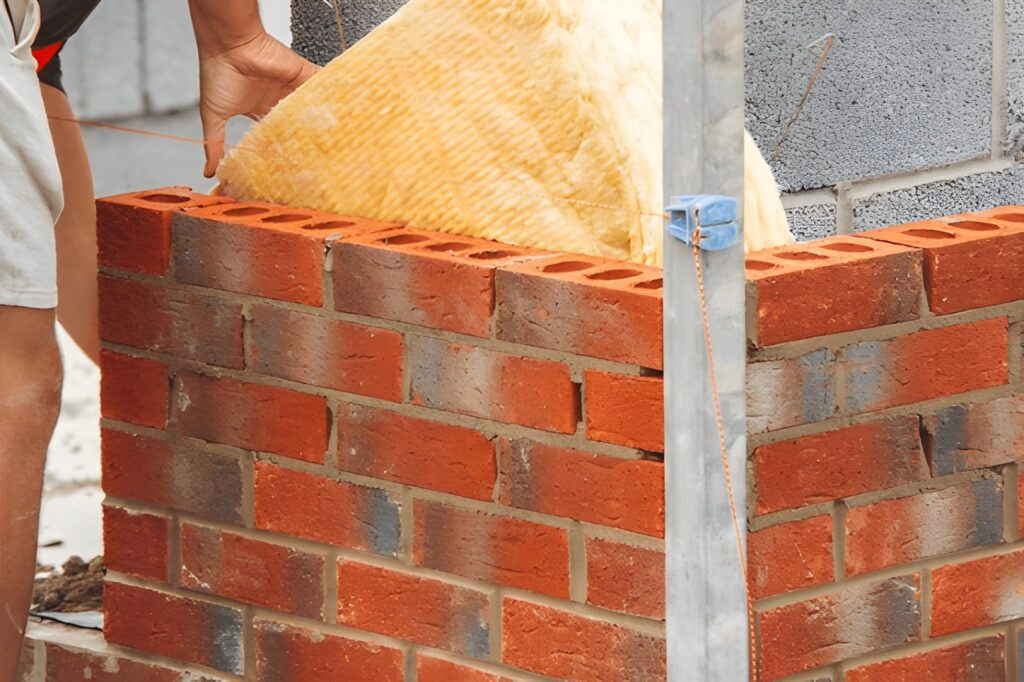
Cracks in the outer walls allow water to enter the cavity. Also, if the walls have poor weatherproofing or don’t have moisture resistance, water can seep in.
If these issues aren’t addressed before installing cavity wall insulation, moisture will infiltrate the walls and become trapped by the insulation. This can cause penetrating damp, especially in homes exposed to frequent rainfall.
It’s essential to check the exterior walls for cracks and seal them before installing cavity wall insulation to prevent future moisture problems.
3 – It Can Sometimes Damage The Property
When the insulation has a poor installation, you may encounter structural damage. Moisture trapped within the insulation can cause brickwork and masonry to weaken over time. Leading to spalling or decay.
| Spalling is the breaking, chipping, or flaking of concrete, brick, and stone surfaces, which is often caused by moisture penetration or freeze-thaw cycles |
With that said, the insulation material itself could absorb water and rot if exposed to external moisture.
Properly sealing the external walls and ensuring that the cavity is moisture-resistant is important for preventing structural damage.
4 – It Can Lead To Inadequate Ventilation
Maintaining proper ventilation is a key step to successfully installing the cavity wall insulation. Without it, the moisture that’s already trapped inside or gradually building up won’t have proper space to escape from the house, resulting in condensation.
Secondly, insufficient airflow will make your house colder and more humid. While inspecting a house, I once encountered a property that had the same issue, and not only that, the property also had mould growth on walls and ceilings due to this issue.
We always advise our installation team to make sure that homes with cavity wall insulation are fitted with adequate ventilation systems to ensure proper airflow.
5 – Moisture Retention In Insulation Materials
Certain insulation materials, like polystyrene beads or foam, are more prone to moisture retention compared to others.
When these materials are exposed to water, whether from external or internal condensation, they can retain the moisture.
Now, that retained moisture travels all the way deeper into the walls, which increases the chances of dampness.
Choosing moisture-resistant insulation materials such as mineral wool can mitigate these risks. Otherwise, you may need to do expensive repairs that cost more than installing the cavity wall insulation.
And when it comes to cost, there are several things that you need to consider to get an exact quote about your property. Learn more about how much cavity wall insulation costs in the UK.
How To Avoid These Mistakes And Make Cavity Wall Insulation Work For You
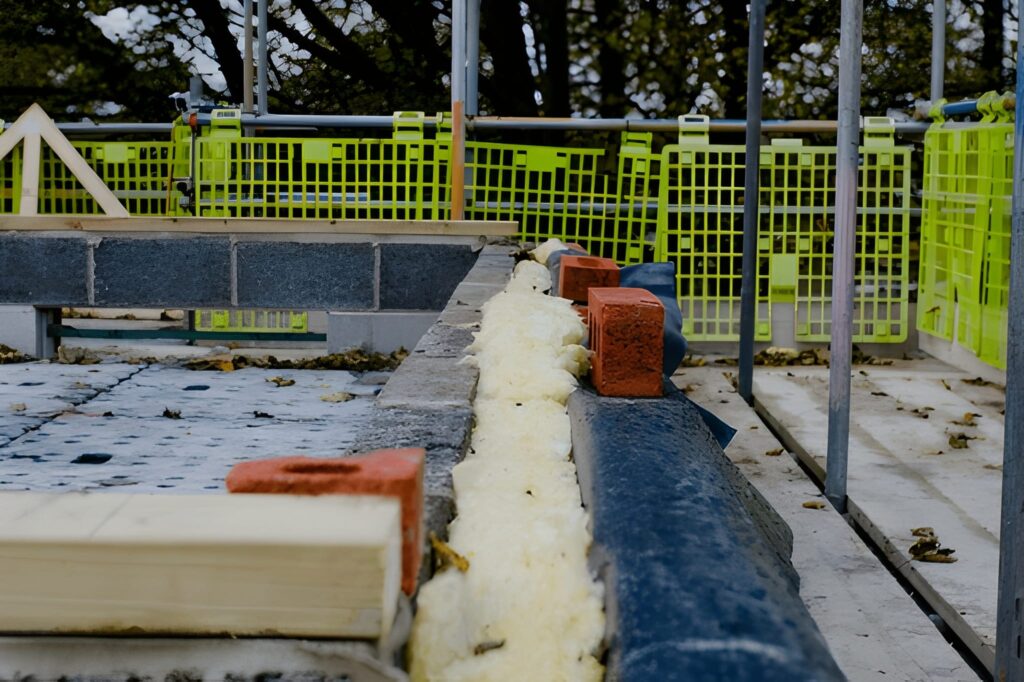
Achieving the full benefits of cavity wall insulation requires more than just choosing the right material.
It’s about ensuring the insulation aligns with your home’s specific needs, including its age, structure, and climate. Even the best insulation material can fall short if the installation process isn’t thorough.
Key factors such as sealing external walls, proper ventilation, and preparing the property before installation are often overlooked.
By taking a comprehensive approach, you can address both the materials used and the conditions in your home. You can significantly improve the effectiveness of cavity wall insulation and avoid common issues like damp and moisture retention.
Let’s break down the essential steps you can take to ensure your insulation is set up for long-term success.
| Problem | Solution | Action Steps |
|---|---|---|
| Wrong Material Choice | Use Moisture-Resistant And Breathable Materials Like Mineral Wool | Choose Mineral Wool Or Polyurethane Foam That Is More Resistant To Moisture Avoid Polystyrene Beads If Your Property Is Exposed To Damp Conditions |
| Improper Installation | Hire A Certified Installer To Ensure The Insulation Fills The Cavity Without Gaps | Verify The Installer’s Certification (e.g, Trustmark) Ensure Insulation Fills The Cavity, Without Air Pockets That Can Trap Moisture |
| Existing Cracks In Exterior Walls | Seal Cracks And Maintain External Walls Before Installing Insulation | Check The Outer Walls For Cracks And Gaps Apply Weatherproof Sealant Or A Damp Proof Course (DPC) To Prevent Moisture Ingress |
| Lack Of Ventilation | Ensure Proper Ventilation Systems, Like Air Bricks And Trickle Vents, Are Installed And Unblocked | Check That The Air Vents And Trickle Vents Are Not Obstructed Consider Installing Mechanical Ventilation If Airflow Is Insufficient |
| Moisture Retention | Choose Breathable, Moisture-Resistant Insulation, And Ensure The External Walls Are Moisture Proof | Prioritize Moisture-Resistant Material Like Mineral Wool Consider Applying Waterproof Coatings On External Walls To Prevent Water Ingress |
| Damaged Walls Or Inadequate Sealing | Inspect And Repair External Walls Before Insulation | Seal Cracks And Damaged Areas On The Outer Walls Install Waterproof Barriers Or Sealants To Prevent Moisture Entry |
| Condensation And Cold Spots | Install The Right Insulation Material And Maintain Airflow | Use Breathable Insulation Material Ensure Adequate Ventilation To Prevent Moisture Buildup And Allow Trapped Air To Escape |
Frequently Asked Questions
1. Which houses are not suitable for cavity wall insulation?
Homes with narrow cavities, cracked external walls, or those exposed to moisture ingress (like wind-driven rain) may not be suitable for cavity wall insulation. Homes with rising damp or poor ventilation should also avoid it.
2. What are the symptoms of insulation sickness?
Insulation sickness can cause symptoms like headaches, fatigue, dizziness, and respiratory issues, often triggered by inhaling particles from insulation materials such as fiberglass or mineral wool.
3. Why are people removing spray foam insulation?
People are removing spray foam insulation because it can trap moisture, leading to damp and mould growth. It can also reduce ventilation and cause issues with structural damage over time.
4. Should cavity walls be sealed at the top?
Cavity walls should not be sealed at the top. Proper ventilation is essential for moisture control. Sealing the top can block airflow and lead to condensation, causing damp issues inside the walls.
Conclusion
So, is cavity wall insulation bad for your home? Well, if your property is eligible for the installation, then the cavity wall insulation itself is not a bad decision.
It’s an energy-efficient solution that can reduce your energy bills and improve the comfort of your home.
To get the most out of your cavity wall insulation, ensure that the installation is done by certified professionals, the right materials are used, and that proper ventilation is in place.
If you’re unsure whether cavity wall insulation is right for your home or if you’re experiencing issues with damp, reach out to H&R Energy Solutions for expert advice.
We can guide you through the process and ensure that your home remains energy efficient and damp-free.